| Getting your Trinity Audio player ready... |

Thailand’s legal battle against Facebook and other digital service providers has taken a significant step forward, with rulings recognising online users as consumers. The Thailand Consumers Council (TCC) is pressing ahead with 10 test cases that could set a precedent for platform accountability.
BANGKOK, 23 November 2026 — A legal challenge against Facebook and other digital service providers in Thailand has reached a significant milestone, following rulings confirming that certain lawsuits qualify as consumer cases and that a test case falls under civil court jurisdiction rather than that of the intellectual property court.
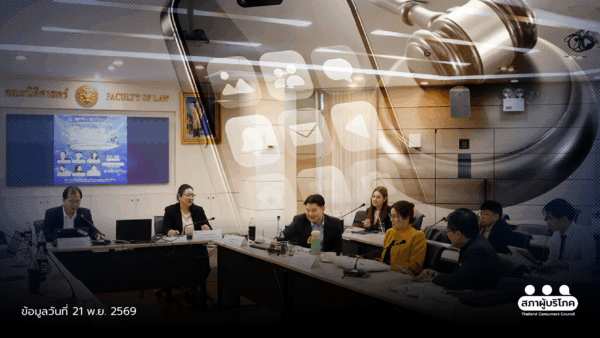
The Thailand Consumers Council (TCC) and its legal team attended a hearing at the Bangkok South Civil Court on Monday, following challenges by defendants over whether the lawsuits qualified as consumer cases and which court had jurisdiction.
The rulings could have far-reaching implications for consumer protection and the accountability of digital platforms in Thailand.
A significant step for consumer rights
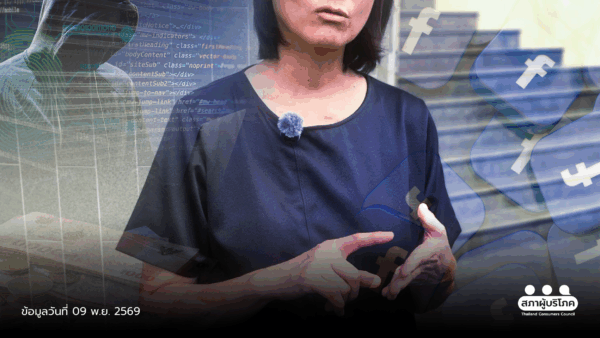
Saree Aongsomwang, Secretary-General of the Thailand Consumers Council, said the President of the Court of Appeal had confirmed that the cases in question qualify as consumer cases and are subject to Thailand’s Consumer Case Procedure Act.
A separate ruling also confirmed that one of the test cases falls under civil court jurisdiction rather than that of the intellectual property court.
The decisions mark an important step forward for TCC’s 10 test cases.
However, the courts have yet to determine whether the platforms, app service providers or banks are legally liable for the losses suffered by consumers.
TCC said it would continue pursuing the lawsuits, drawing on international legal experiences to push for stronger consumer protection and greater accountability across the digital ecosystem.
Digital platform users are consumers
Lawyer Phubet Chomphu explained that the court recognised digital service providers, including Facebook, YouTube, Apple and banks, as businesses that provide services and receive compensation.
Their users, meanwhile, qualify as consumers, including in certain cases where individuals used their personal savings to invest.
The ruling is significant for everyday users of social media, app stores, messaging services and online banking, reinforcing their status as consumers entitled to legal protection.
Associate Professor Yupadee Sirisinsuk, Deputy Secretary-General of TCC, described the development as an important starting point in the broader effort to establish legal standards for platform accountability.
TCC previously filed 10 civil lawsuits against online platforms, app service providers and financial institutions over scams involving online advertisements and other digital channels.
Reported losses in the initial group of test cases exceeded 230 million baht.
Platforms urged to act before consumers are harmed
Beyond the Facebook lawsuits, TCC is also calling for stronger oversight of illegal lending apps available through major app stores.
Saree said Apple’s App Store and Google Play should take greater responsibility for screening and removing fraudulent and unlicensed lending apps before they reach consumers.
She stressed that consumer protection should focus on preventing harm, rather than simply responding after financial losses have occurred.
TCC is also monitoring Thailand’s proposed legislation on the digital platform economy, which is currently open for public consultation.
The council is urging Thailand to strengthen its regulatory standards in line with international developments, particularly the European Union’s Digital Services Act (DSA) and its broader efforts to promote digital fairness.
“We do not want to be left behind, and we are not asking for much. We simply want these platforms to protect Thai consumers. Safety, personal data protection, and preventing violence and exploitation should be basic standards that every platform upholds,” Saree said.